B2B marketspaces in the healthcare segment have risen in prominence over the last 5 years. Already, global companies like AmerisourceBergen, McKesson, Cardinal Health are dominating the overseas market with their catalogues for medical equipment and supplies. These companies act as aggregators between suppliers of medical equipment, supplies, devices, etc. and hospitals, enrolling both parties in their platform and creating a one-stop-shop environment, much like Amazon and Alibaba Group.
Following their lead, many companies in India have kick-started their endeavours in the Indian subcontinent, with additional geographic considerations specifically in mind. One such consideration is the establishment of adequately-equipped hospitals in Tier II and Tier III regions of India.
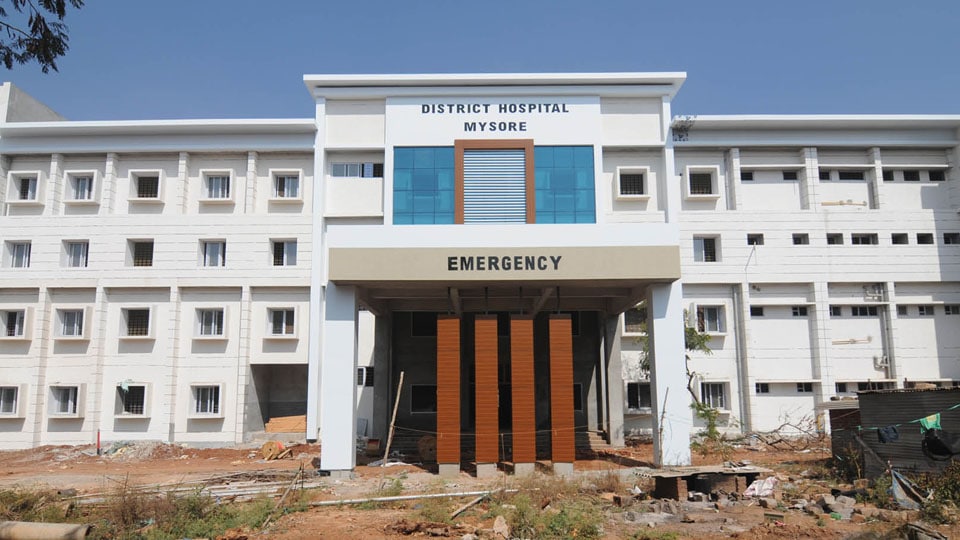
Multinational companies are also showing increased interest in tapping these markets, which, until recently, were not ready to be explored. Economic investment is expected to result in economic boom, and with India already on the trajectory to becoming one of the world’s economic superpowers in the near-not-so-distant future, B2B healthcare portals are also recognising the need and benefit of reaching out there. Here are some of the problems that they have successfully tackled in Tier II and Tier III cities:
- Last-mile delivery systems: Logistical solutions are the biggest priority of B2B companies now. With no physical manufacturing space required, they aim to establish Pan-India presence with various warehouses and fulfilment centres set up at strategic locations. Maximum manpower spend is exerted in this exercise, with focus on ensuring last-mile delivery within scheduled dates. This supply chain mapping and national infrastructure efficiency is touted as the most critical factor of success for these businesses. Accessibility to medical equipment and supplies is the cornerstone of all healthcare solutions in Tier II and III cities
- Hosting vendors under single roof: Ensuring round-the-clock availability of products under a single ‘buy-it-all’ roof has ensured hassle-free processes in vendor management, saving the trouble and the time of not having to and having to deal with multiple vendors simultaneously. It has also opened up options to compare equipment on basis of price and features, among others. Regional availability translates into greater affordability for Tier II and III hospitals. Not only that, the increase in transparency that comes with possessing complete oversight of the transactions is an overlooked luxury in such regions, where misinformation and misrepresentation might be one of the biggest setbacks to hospital cost and care quality
- Making staple options available: Many staple offers whichare taken for granted in metropolitan areas are not available to small institutions in smaller towns and villages, and had it not been for these online portals, we would have yet quite some way to go for this to be turned into a reality. Staple options like after-sales service, product demonstrations (either live or video. This would also include pre-purchase demos), product information in the form of brochures and real-time customer support, standardized warranties/guarantees due to availability of established medical equipment brands in their kitties, product tracking statuses, and more
- Effective long-term strategies: Such hospitals can now look at more sustainable models of growing their business in the long term. Options have been made available to them through concepts like Value Purchase Organization, where a hospital can buy in bulk from a single online seller and avail substantial cost benefits. At present, Medikabazaar is offering this concept. Along with this, it is also offering an intelligent inventory management system, Vizi, which will provide stock-outs and stock excess. To go with these, firms also have loyalty and reward programmes.
All of these are aimed at providing long-term, mutual benefits in the bid to provide a base for thriving healthcare in under and still-developing regions
Conclusion
Accessibility, affordability and optimization. B2B portals are controlling the strings that is increasing healthcare quality in Tier II and III cities. In a demographic region as India, only such business models can create such high-impact booms in short spans of time. With market penetration and awareness for such portals increased, one can only expect that they reach deeper and deeper into the Indian subcontinent, which is a win-win scenario for companies, healthcare institutions and patients alike.
The demand-supply gap is being eroded, with sustainable models of long-term growth reflected in the practices of emerging businesses, are carving out the way for advanced technological equipment to reach the remotest parts of the country, so complete healthcare can be dispensed instead of just some basic specialties. The per capita income, lifestyle and infrastructure are also developing, ushering in a hope of a positive and welcome transformation for healthcare in India.
 HealthcareSolutions