It’s rising
Critical care in India has evolved rapidly in a significant manner over the last two decades of its existence. Not only has the number of ICUs and the number of fully equipped beds increased, but the trained manpower has risen by leaps and bounds. More importantly, there has been a meaningful pragmatic direction to this movement to make sure that this growth is in an extremely scientific and academically oriented atmosphere.
It’s different
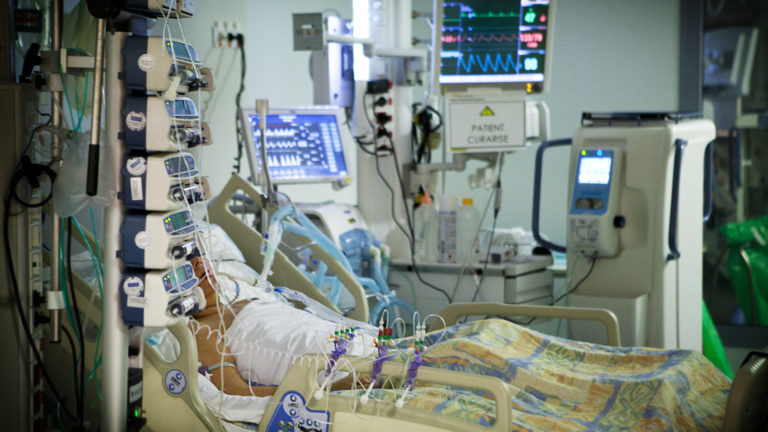
ICUs are distinguished from general wards in all aspects. Some of these include highly trained staff including physicians, nurses and respiratory therapists who specialize in caring for critically ill patients, higher staff-to-patient ratio, not to mention skill sets like split decision-making, observation, teamwork, and of course, a deft hand.
Support them
Hospitals thus need to ensure that such individuals are supported with the right equipment so they are able to provide the critical care that they need to. Here is a list of 10 essential medical equipment that every healthcare institution, regardless of whether they are an NICU, SICU, MICU, or any other subspecialized unit, must have:
- DVT Pumps
People who recently had surgery or who are immobile or sedentary throughout the day are especially susceptible to Deep Vein Thrombosis (DVT). Long periods of rest with little or no body movements, with varying or no apparent symptoms at all require such equipment to be readily available for immediate use.
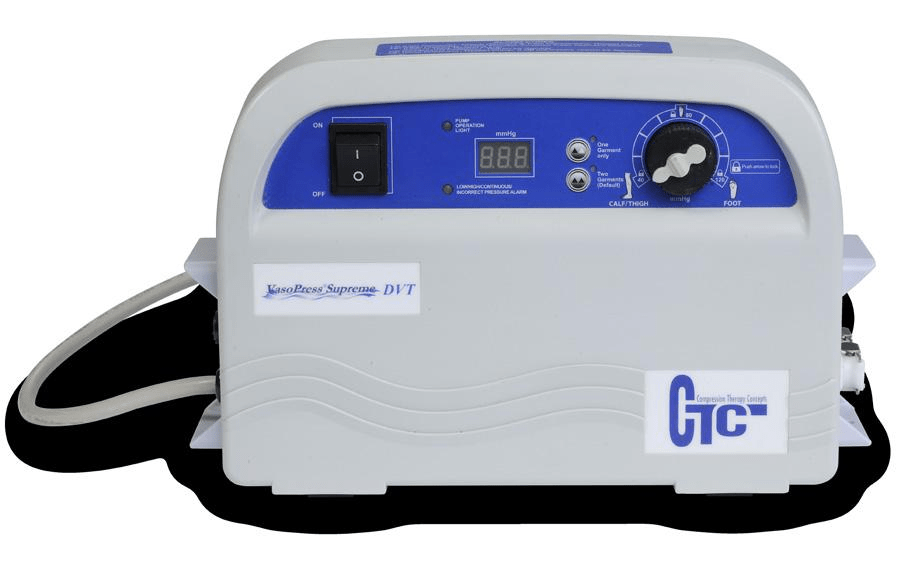
There are many good names out there for DVT Pumps. One of these is the Zimmer Biomet DVT Pump Vasopress VP500DM from Zimmer Biomet, a reputed 93-year old company based in Indiana, USA.
2. Ventilators
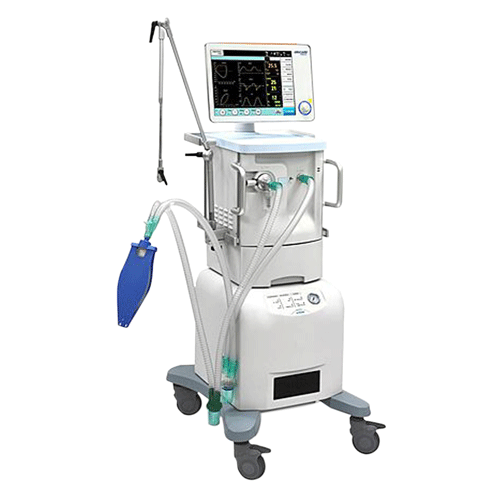
It is not for nothing that they are referred to as the life support or life sustaining equipment. Although most hospitals use the invasive ventilator to push air into the lungs, options like CPAP/BiPAP and oscillatory ventilation must be deliberated upon and procured beforehand, if deemed suitable.
3. CPAP (Continuous Positive Airway Pressure)
I want to put special emphasis on the availability of CPAP machines in the IC Unit. CPAP machines use mild air pressure to keep the airways open. More specifically, what CPAP therapy helps accomplish is making sure that your airway doesn’t collapse when you breathe while asleep.
4. Blood/Fluid Warmers
Blood fluid warmers can be used in several different ways in the setting of critical care, and among its clinical care benefits are cases where patients have experienced massive trauma and need large transfusions, or when they are fragile for medical reasons.
It is recommended that multiple units be kept available on a floor to ensure one will always be available.
5. ICU Examination Lights
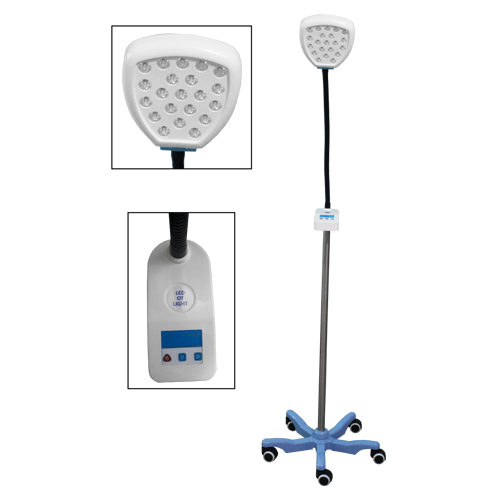
Visual examination plays a major role in deciding the right treatment. This demands a high level of general illumination as well as good colour rendering. Arm mounted examination lights along with strong general lighting and high colour rendering provide the perfect light sources.
6. External pacemakers
Bradycardia is no stranger to ICU patients. In addition to synchronized transcutaneous pacing offered by newer cardiac monitor/defibrillators, there is also an option for asynchronous pacing. Sometimes in the prehospital setting a situation may arise where ECG electrodes are not available or something interferes with their adhesion to the patient’s skin. In these rare situations where the patient must be paced and there are no other alternatives, asynchronous pacing may be used. Again, this setting should only be used as a last resort due to possible adverse cardiac effects it could cause.
Transcutaneous pacing may be uncomfortable for the patient, and therefore caution is recommended. Sedation should be considered wherever possible.
7. ECG Machines
Besides simple monitoring of heart rate and detection of life-threatening arrhythmias, ECG monitoring serves goals such as detection of myocardial ischaemia, diagnosis of complex arrhythmia, and identification of a prolonged QT interval.
Over the past decade, there has been an increase in the number and complexity of electrophysiological interventions, including complex ablations, biventricular pacing, and insertion of implantable defibrillators. ECG monitoring in these patients can serve both a protective and diagnostic purpose.
8. Patient Monitors
Checking on patients regularly while they are in hospital and taking action if they show signs of becoming worse can help avoid serious problems in acute cases. A survey carried out by National Center for Biotechnology Information (NCBI) indicate that patient monitoring in the ICU could be improved. Such improvement will require identification of the tasks nurses perform in your particular institute.
It is imperative in this light that hospitals task themselves with the initiative of finding the right monitoring equipment to assist their staff to carry out their functions seamlessly
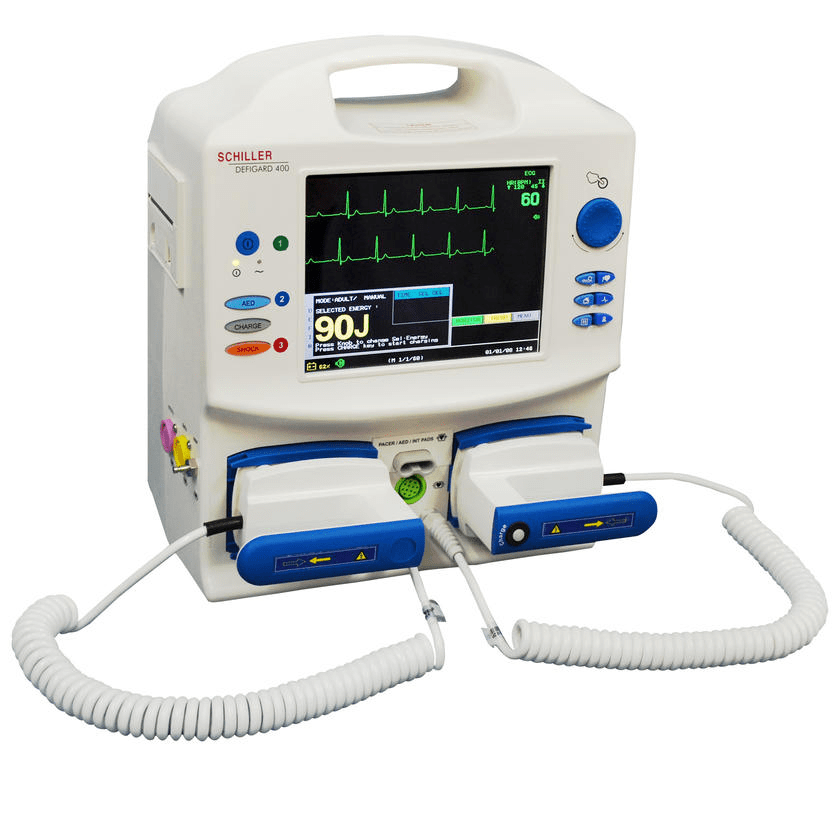
9. Defibrillators
Modern-day defibrillators are not only defibrillation/cardioverter/ pacemaker boxes; they are equipped with an increasingly sophisticated array of features some of which include capability for monitoring temperature, blood pressure, pulse oximetry, end-tidal CO2, and the ECG based on 3-, 5-, 7-, and 12-lead configurations. Most defibrillators also have capability for data recording and retrieval featuring electronic storing devices and protocols for data transfer to a PC or directly to a printer
10. Infusion pumps
Drug administration errors account for approximately 78% of all medical errors occurring in ICUs, according to a couple of references cited at ccforum.biomedcentral.com. The article also demonstrates how introduction of an advanced computerised infusion pump system in the ICU can provide a safer drug administration environment if the appropriate health professionals are selected to implement the system, the drug library is constructed carefully and a comprehensive training package is applied
Conclusion: Purchase decisions
Purchasing decisions of all ICU related medical equipment should consider the intended use of the equipment, identifying all features required, in specificity. Ideally such decisions should be part of a hospital-wide initiative in which issues related to training, compatibility, service contracts, bargaining power, data integration, and track record of specific manufacturers are also considered.
Purchase managers and concerned professionals must ensure smoothness in the device-purchasing process. Smart decisions in purchase and management are the unrecognized background essentials that are vital to patient care and service.
 HealthcareSolutions